Debunking Personality Myths: What Modern Behavioral Science Actually Proves
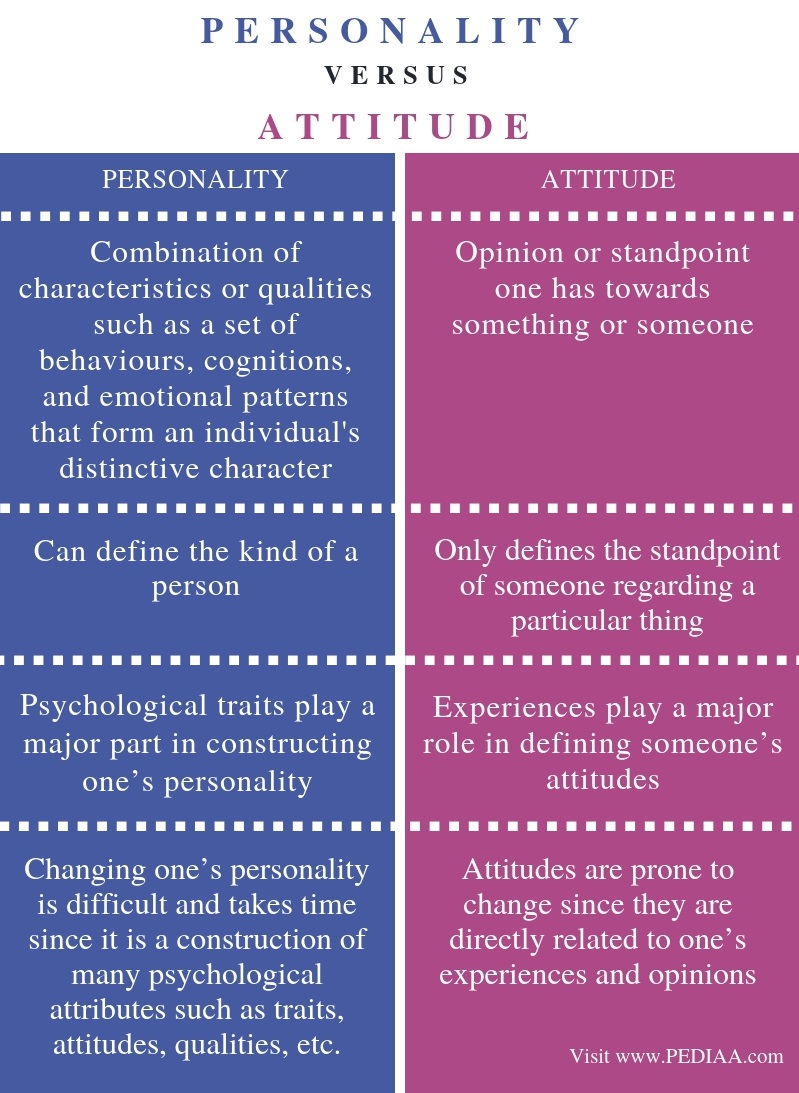
Personality is the relatively stable architecture of an individual’s psychological makeup. In academic psychology, researchers evaluate it through established frameworks like the five-factor model and the six-dimensional HEXACO personality inventory. These metrics capture enduring psychological traits: extraversion, conscientiousness, agreeableness, emotional stability, openness to experience, and, in HEXACO, honesty-humility. Twin studies consistently indicate that genetic variation explains 40% to 50% of the variance in these baseline scores. Longitudinal tracking confirms that a hyper-reactive, low-conscientiousness teenager typically matures into a somewhat calmer, slightly more organized adult, but their ranking relative to their generational peers remains remarkably stable.
This enduring framework separates temperament vs outlook. Temperament is innate. It governs autonomic nervous system arousal, sensory processing sensitivity, and fundamental threat perception. You do not choose your baseline reactivity to unexpected noise or your threshold for social fatigue. Those responses are physiological reflexes governed by the limbic system and prefrontal cortical pathways. Similarly, character vs temperament highlights how moral and self-regulatory habits layer over raw biology. Character reflects how an individual disciplines those innate impulses through socialization. Neither character nor temperament fluctuates because someone had a miserable morning commute.



/https://xstreamcp-assets-msp.streamready.in/assets/HOTSTAR_DTH/MOVIE/690de3d3bd29c33a8a099560/images/LANDSCAPE_169/1734079368358-h?o=production)