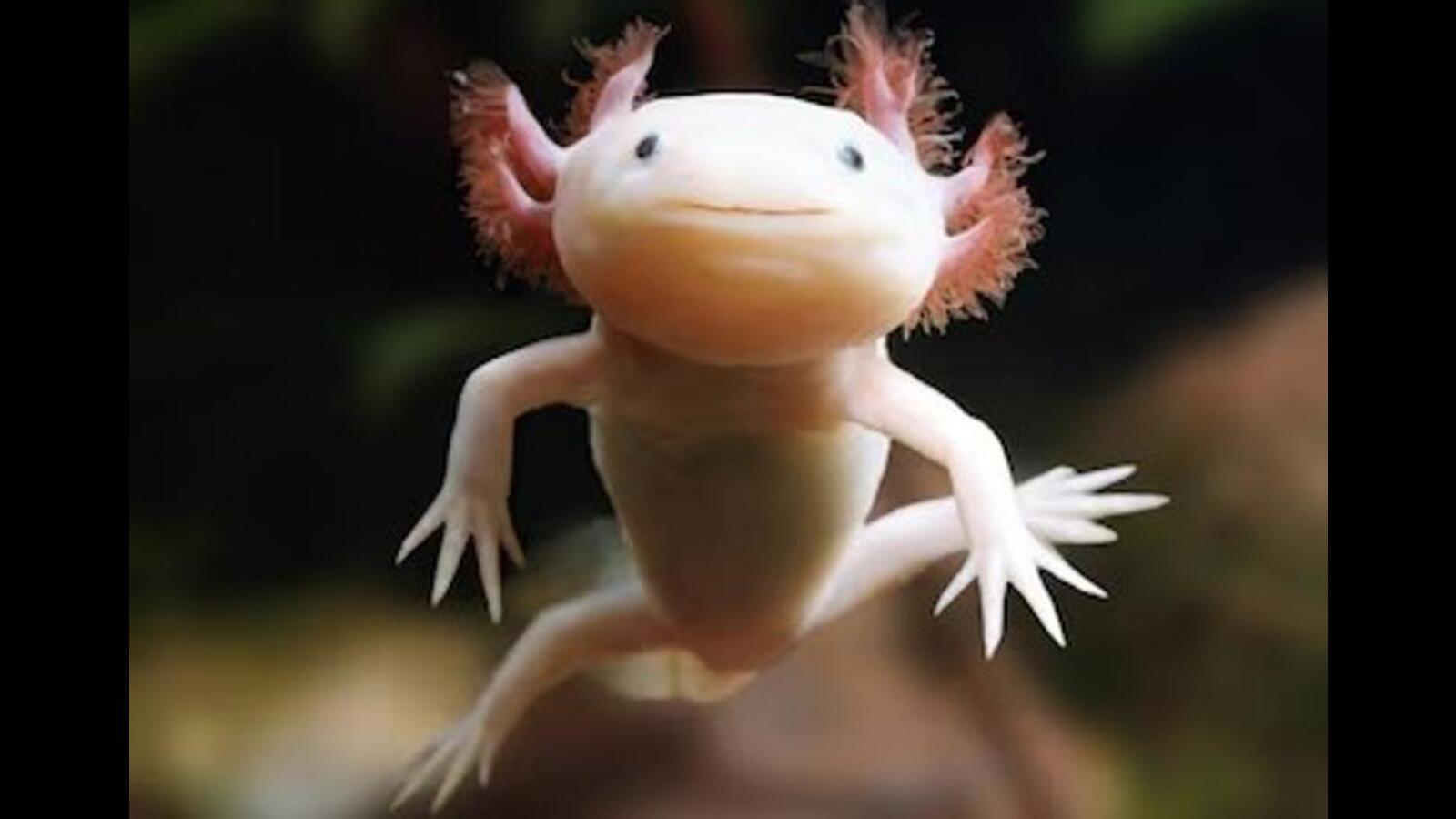
Is an Axolotl an Amphibian? the Bizarre Biology Behind the Creature That Refuses to Grow Up
Q1: Can an axolotl turn into a land salamander on its own?
A1: Under natural conditions, an axolotl will never undergo metamorphosis. Its endocrine system does not naturally trigger the surge of thyroxine needed to convert into a terrestrial salamander. While scientists can induce metamorphosis using thyroid hormones in a lab, the process is dangerous and shortens the animal's life.
Q2: Why are axolotls called Mexican walking fish if they are amphibians?
A2: Early European naturalists named them after their fish-like swimming habits, feathery gill clusters, and aquatic home. Because the creatures also had four developed legs capable of walking across lakebeds, the contradictory phrase "walking fish" caught on, despite their evolutionary home in the salamander order.
Q3: What should prospective keepers consider before buying an axolotl?
A3: Axolotls require strict aquatic parameters that make them unsuitable for standard beginner aquariums. Water temperatures must stay consistently cold, ideally between 16°C and 18°C (60°F, 64°F), requiring an aquarium chiller in warmer climates. They produce significant biowaste, need pristine water quality with low water flow to protect their delicate gills, and cannot share tanks with predatory or nippy fish species.